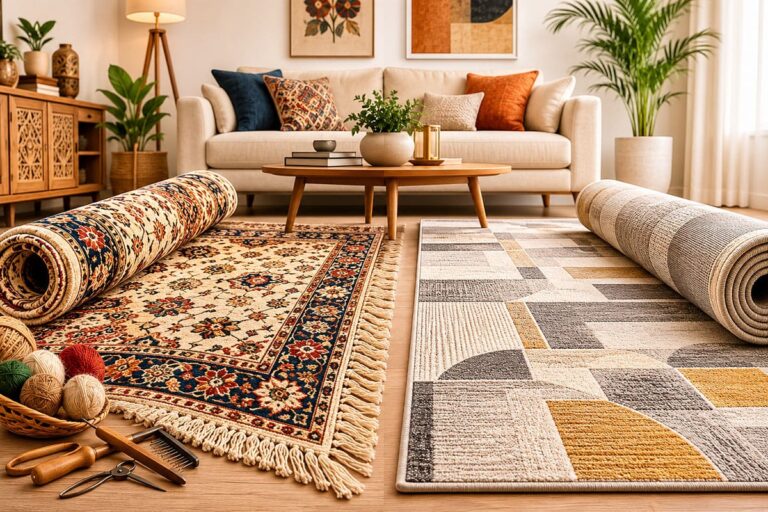
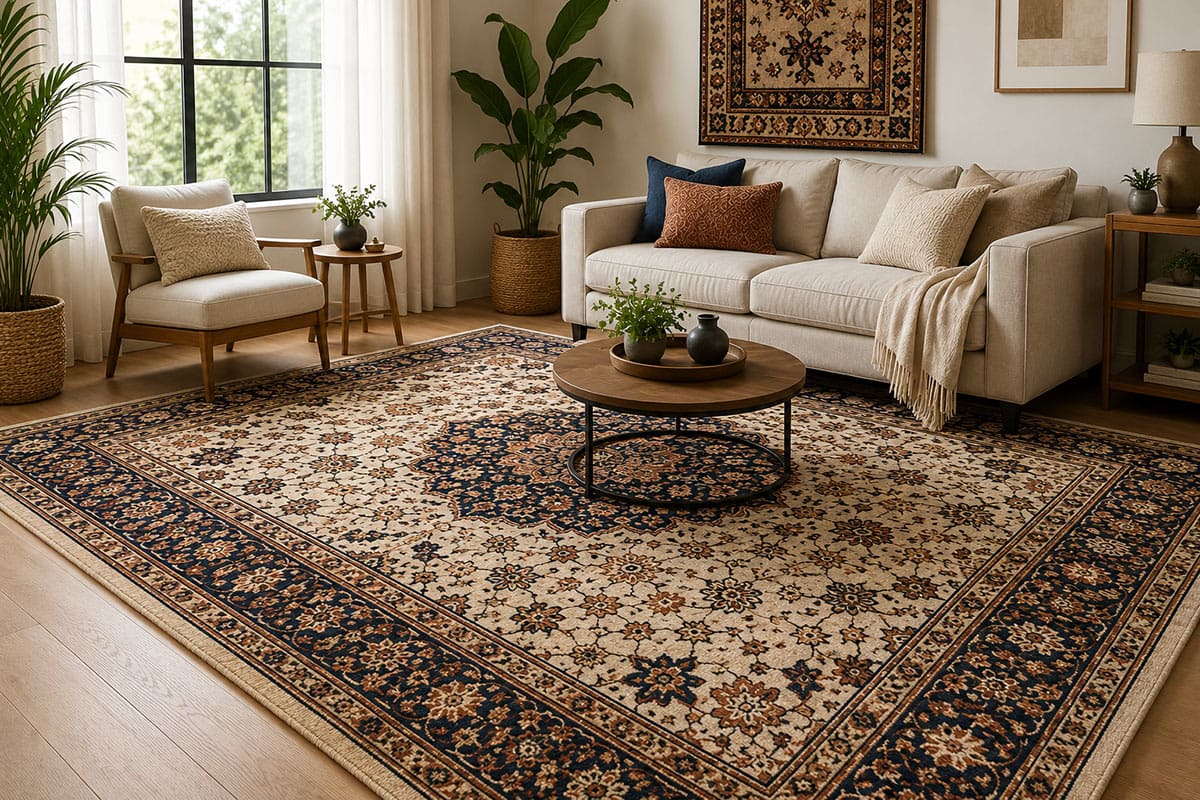
Choosing the perfect carpet for your home is more than simply picking a beautiful color or pattern. The right carpet can make a room feel warmer, more comfortable, stylish, and inviting. It can also define different areas of your home and complement your furniture and interior décor.
With so many carpet materials, sizes, colors, patterns, and styles available, selecting the right one can sometimes feel confusing. Whether you are decorating a living room, bedroom, dining area, hallway, or office, this complete carpet buying guide will help you make the right choice.
1. Consider the Room Where You Need the Carpet
The first step is to think about where you want to place the carpet. Different rooms have different requirements.
For example, living rooms and hallways usually experience more foot traffic, so you should choose a durable carpet that can handle regular use. Bedrooms generally need something softer and more comfortable because you want a warm and relaxing atmosphere.
For dining areas, consider a carpet that is relatively easy to clean and maintain. If you have children or pets at home, stain resistance and durability should also be important factors when choosing a carpet.
2. Choose the Right Carpet Material
Carpet material affects its appearance, comfort, durability, and maintenance requirements.
**Wool carpets** are a popular choice for homeowners looking for natural fibers, softness, durability, and a premium appearance. They can add warmth and elegance to both traditional and modern interiors.
**Cotton and other natural-fiber carpets** can offer a relaxed and attractive look, making them suitable for various décor styles.
**Synthetic carpets**, such as polypropylene or polyester, are often chosen for their affordability, easy maintenance, and wide range of designs.
Before purchasing, consider your lifestyle, room usage, maintenance preferences, and budget to determine which carpet material works best for your home.
3. Select the Correct Carpet Size
Choosing the correct carpet size can dramatically change the appearance of a room. A carpet that is too small may look disconnected from the furniture, while an oversized carpet may make the room feel crowded.
In a living room, one popular approach is to place the front legs of the sofa and chairs on the carpet. In a bedroom, you can choose a larger carpet that extends beyond the sides and foot of the bed.
Before ordering, measure your room and furniture carefully. Mark the intended carpet area using masking tape or a similar method. This simple step can help you visualize how the carpet will look before making a purchase.
4. Match the Carpet Color With Your Interior
Color plays a major role in creating the overall mood of a room.
Neutral shades such as beige, ivory, cream, taupe, and grey can create a calm and timeless appearance. They also work well with different furniture styles and wall colors.
If your room already has neutral furniture and walls, a patterned or colorful carpet can become an attractive focal point. On the other hand, if your room contains bold furniture, artwork, or decorative elements, a simple carpet may create a more balanced appearance.
Always consider the amount of natural light in the room because colors can look different under natural and artificial lighting.
5. Choose a Design That Complements Your Décor
Carpet designs should complement your existing interior rather than compete with it.
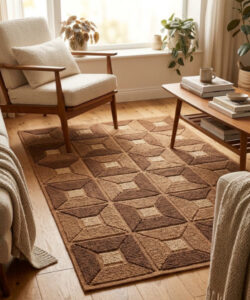
Traditional or Persian-inspired patterns can add character and classic elegance to a room. Geometric patterns can work particularly well in modern interiors, while simple textured carpets can create a sophisticated and understated appearance.
Think about your existing curtains, sofa, cushions, wall colors, and other decorative elements before selecting a design.
6. Think About Comfort and Texture
Comfort is another important factor, especially for bedrooms, living rooms, and family spaces.
A soft, plush carpet can create a cozy atmosphere, while a flatter or low-pile carpet may be easier to maintain in high-traffic areas.
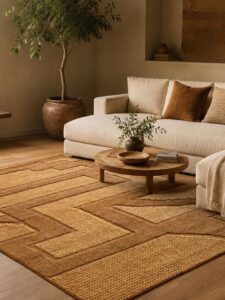
The texture also contributes to the visual appearance of the room. Handcrafted and textured carpets can add depth and personality to your interior.
7. Consider Maintenance and Durability
Before buying a carpet, understand how much maintenance it will require. Regular vacuuming and prompt cleaning of spills can help keep carpets looking fresh.
If the carpet will be placed in a busy area, choose a durable option designed for regular foot traffic. For areas with less activity, you may have more flexibility to prioritize softness, intricate designs, or decorative appeal.
Also consider whether professional cleaning may be required depending on the material and construction of the carpet.
8. Set a Practical Budget
Carpet prices can vary significantly depending on material, size, craftsmanship, design, and construction. Instead of focusing only on the initial price, consider the overall value.
A well-made carpet can enhance your home’s appearance for years, making quality an important consideration when comparing different options.
Final Thoughts
The perfect carpet should balance **style, comfort, size, durability, material, and maintenance**. Start by understanding the needs of your room, measure the available space, select a suitable material, and then choose a color and design that complements your existing décor.
Whether you prefer a modern, traditional, minimalist, or luxurious interior, the right carpet can transform an ordinary room into a warm and inviting space.
Explore different carpet styles and find an option that matches your home’s personality, lifestyle, and décor at **CarpetKart.in**.